Alloy Steel Pipe vs Carbon Steel Pipe: A Practical Comparison
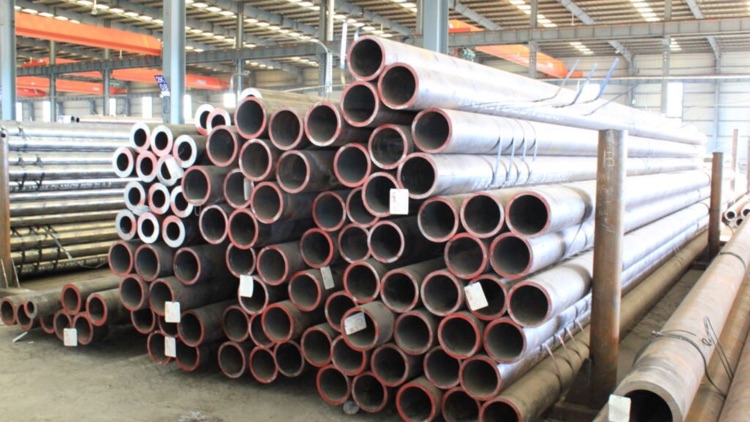
One of the most crucial choices in any industrial project is the choice of the appropriate pipe material. The decision has a direct impact on the system performance, maintenance expense, safety, and service life. The alloy steel pipe and carbon steel pipe are two very popular materials. Although they both are commonly used in industries, including construction, power generation, oil and gas, and manufacturing, they provide dissimilar benefits. The knowledge of the variations between these materials assists engineers and buyers in selecting the best material to use in their applications.
Strength and Pressure Performance
Both materials are of good strength; however, alloy steel pipe will tend to work better in high-pressure conditions. The alloying elements enhance the stress-resistance of the material, which does not deform or fail under stress. Carbon steel pipe is tough enough to be useful in a variety of industrial applications; however, once the operating pressure becomes much higher, alloy steel becomes the material of choice. This renders alloy steel particularly useful in steam systems, pressure vessels, and process piping networks.
✔ Alloy steel = high-pressure systems
✔ Carbon steel = general-purpose applications
Heat Resistance Comparison
The capacity to resist high temperatures is one of the greatest benefits of alloy steel pipe. Numerous alloy steel grades are specifically engineered to be used in the steam service and high-temperature applications. Carbon steel pipe can work in moderate temperatures, but it can lose strength when subjected to extreme temperatures over an extended period of time. Alloy steel is frequently chosen in power generation and refinery systems since it does not lose its mechanical properties when the systems are operating continuously and at high temperatures.
✔ Alloy steel = high-temperature stability
✔ Carbon steel = moderate-temperature use
Corrosion and Oxidation Resistance
Another area where alloy steel pipe can outmatch carbon steel pipe is corrosion resistance. The chromium and other alloying elements are there to ensure that the pipe is not affected by oxidation and other corrosive conditions. Unless protective coatings are used, carbon steel may corrode faster when in the presence of moisture, chemicals, or adverse operating conditions. Where there is a concern of corrosion, alloy steel can offer a more durable solution and lessen the need to maintain.
✔ Alloy steel = corrosion-resistant
✔ Carbon steel = requires protection in harsh environments
Service Life and Maintenance Requirements
One of the reasons why most industrial facilities prefer alloy steel pipe in spite of the increased cost of purchase is the increased service life. It is enhanced in terms of resistance to heat, pressure, and corrosion, which minimizes wear and degradation of materials in the long run. In high-stress environments, carbon steel pipe may need to be inspected, repaired, or replaced more often. Consequently, alloy steel tends to reduce maintenance and curtail unforeseen downtime in long-life usage.
✔ Alloy steel = long service life, low maintenance
✔ Carbon steel = higher maintenance in tough conditions
Cost Considerations
Alloy steel pipe is usually more costly than carbon steel pipe. This is a cost-effective option in most of the standard applications due to its simplicity in composition and low cost of production. Alloy steel pipe is more expensive at the start due to the additional alloy content and special processes. Nevertheless, project planners usually do not look at the purchase price as the only factor, but at the total lifecycle costs. The alloy steel is more likely to be of better overall value in many high-temperature or high-pressure applications, where its longer life and reduced maintenance costs may be of benefit.
✔ Carbon steel = economical option
✔ Alloy steel = higher upfront cost, lower lifecycle cost
Common Industrial Applications
Carbon steel pipe is commonly used in:
- Water supply systems
- Structural and construction works
- Low to medium pressure systems
Alloy steel pipe is preferred in:
- Power plants
- Refineries and petrochemical industries
- Boilers and steam systems
- High-pressure pipelines
Choosing the Right Material
The choice in favor of alloy steel pipe or carbon steel pipe must depend on factors like temperature, pressure, risk of corrosion, maintenance, and project budget. Carbon steel can be used in general purpose use where the operating conditions are moderate. When systems are subjected to high temperatures, high pressure, or aggressive conditions, alloy steel is the improved choice. Close consideration of project needs will assist in making sure that the selected material offers the optimal performance to cost.
Conclusion
Alloy steel pipe and carbon steel pipe are both significant to the present-day industry, yet they are made to suit different conditions of operation. Carbon steel is cheap and can be used in a broad scope of application and alloy steel is more resistant to heat, pressure, and corrosion. Despite the higher initial cost of alloy steel, its longevity and longer service life make alloy steel a cost-efficient alternative in a challenging environment. Knowing the advantages and weaknesses of both materials, the engineers and buyers can make accurate choices to enhance the reliability of the project and its long-term operation.